

Transcript
Auto-generated transcript from YouTube captions. It may contain recognition errors and does not include speaker diarization.
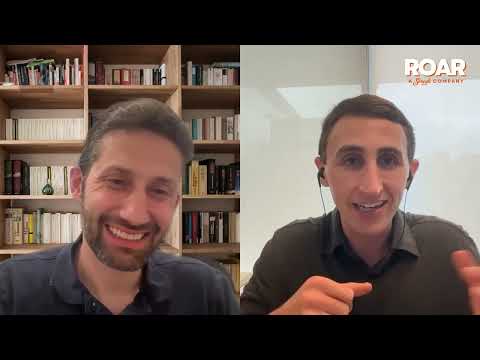
# The ROAR Podcast: Seth Rubinroit, NBC Universal
**Guest:** Seth Rubinroit
**Date:** 2026-07-16
**YouTube URL:** [https://www.youtube.com/watch?v=wuPi8TL8U94](https://www.youtube.com/watch?v=wuPi8TL8U94)
**Source:** YouTube auto-generated captions (no speaker diarization)
---
[00:02] There's a version of the media business where a podcast is a microphone and a conversation. Then there's the version Seth Rubinroit has been his entire career building. Where one conversation becomes television, becomes YouTube, becomes a clip on your phone at the gym. And fuels an entire revenue engine that keeps growing while the costs stay flat. Today's guest got to start young, really young. Seth and his brother talked their way into NBA Summer League credentials as preteens. Reporting for outlets like Sports
[00:32] Illustrated for Kids and Time for Kids, and learning the lesson that shaped everything after. Always know what's in it for the other side of the table. That instinct carried him from a USC business degree and a scrappy basketball website to Universal Sports Network and then to NBC, where he worked the Rio and Pyeongchang Olympics, and poor pitching executives on something they weren't sure they needed. Audio. That pitch became one podcast, then two, then more than 30 shows, and one of the fastest growing lines in the business.
[01:04] Today, Seth leads audio and digital strategy at NBC Universal, teaches at USC, and thinks daily about where content, technology, and monetization all head next. In this episode, Adam digs into the reach versus revenue math behind the podcast slate, why the smartest shows follow the audience instead of the talent, how AI is quietly reshaping production, and what all of it means for the next generation of storytellers. I'm Bryce Lingo, and this is the Roar podcast.
[01:37] >> Welcome to the Roar podcast. I'm your host Adam Grossman. With me today is Seth Rubinroit. Seth, welcome to the podcast. >> Thanks, Adam. Appreciate the invitation. Excited to be here. >> Hey, excited to have you here as well. Thank you for the help with the pronunciation of your name before. So, hopefully we just were talking about it. Hopefully we got it right. But, it's great to have you on. You and I met at the SBJ Awards. We're both judges at the SBJ Awards, which we'll talk about a little bit, but it's exciting to talk about more what you're doing at NBC, particularly on everything going on with the World Cup, which we'll get into, all
[02:08] the stuff you're doing on the podcast side, but as we like to always say, we like to start from the beginning. So, tell us a little bit more about you and how you got to this point in your career. >> Yeah, yeah, absolutely. And thanks again for the invitation. So, I started I started doing this really, really young. Do you remember the NBA Summer League before it was in Vegas? >> Well, first of all, I really as we talked about even in the awards, like really young is not that long ago for you. You're not that >> No. >> young guy, right? >> No, no, no, definitely definitely you
[02:39] know, not that long, but it seems like I've been in the industry a lot longer than you know, my my age would indicate just because of of all the the things and how early I started. >> Yeah. >> So, it really kind of goes back to the the NBA Summer League, which used to be, if you remember, in Long Beach, you know, well before it moved to to Las Vegas. My brother Sam and I would would would go down there, you know, every year as as as fans. My my parents were were nice enough to to make the long drive all the way down to Long Beach, which can be really bad in traffic. And you know,
[03:09] we'd go there as fans and seeing all the NBA players making their their professional debuts and we're having a blast, you know, getting autographs, having the food, watching the games, doing all the the the things that the kids do. And you know, kind of just noticed that like, "Hey, like, look, there's like those journalists that are sitting courtside and they get to go for free and they're having the free food and they're getting to talk to the players. Like, you know, what a cool thing to be able to do." So, my brother and I would literally just kind of start doing it. We would
[03:39] we'd go to the the local high schools and and start doing some reporting and turn those little clips into to bigger clips and and bigger clips. And eventually, we were doing some some big publications like Sports Illustrated for Kids and and Time Magazine for kids and you know, we're able to go back to the NBA Summer League and be the first credential members of the media under 18 to to ever do it. And so, you know, just kind of kind of knew we wanted to be in in in the sports media early and just kind of jumped on it and it's just kind of you know, spiraled and spiraled into
[04:10] where we are today. >> First of all, that's incredible. Before we jump into some of the other things you talk about in terms of spiraling, what was it like being a credential media member under the age of 18? What was the experience like? How did you interact with some of the other reporters and what was it like to interview the players when you're that age? >> You know, it it was a lot of fun. I mean, just you know, just talk about differentiation. I mean, the fact that we were 12 years old and you know, 5 ft nothing, you know, interviewing these these players that are 7 ft tall and holding up the mic like this. You know, we've
[04:41] got some great pictures of interviewing people like, you know, Andrew Bynum Andrew Bynum from the the Lakers and you know, seeing his after his first game where, you know, just holding the mic straight up and you know, I think it really kind of just put us on a a different level because we didn't try and kind of go there and just kind of do what everybody else was doing and ask the same questions everybody else was asking. You know, we leaned into kind of being younger and and being able to relate to the players in a different way and coming up with content that was different than what you would have read in the the Los Angeles Times or the Daily News or whatever it was. So, we
[05:12] really tried to kind of talk to the players differently, you know, still professional but in a different way, trying to kind of find our lane, see if we could get something out of the players that you know, someone that was twice their age would be able to get out of them. >> And you do you remember any of the questions that you used to ask or ones any one in particular or a couple in particular that you remember that were more 12-year-old or 13-year-old type questions? >> You know, selfishly at that time when we're, you know, still had some basketball aspirations, you know, trying to figure out you know, any tips and pointers of of of how we could kind of make it ourselves. But, you know, that
[05:44] that dream uh, pretty quickly fizzled out in in high school when we saw that the athletic career wasn't going to really take off, but really was just kind of trying to understand who they are as people, what makes them tick, you know, what their goals are as they enter the NBA and all of a sudden they have all this money and they've got this fame and you know, how it it changes. Some of these guys were coming straight from high school and had never really experienced that. So, all of a sudden, you know, they're almost as nervous doing the interview is with us as we are asking them questions. So, trying to kind of see if we could tell their story
[06:15] in a different way, get to know them and really kind of, uh, you know, peel open that that onion so we could get to know them in a, uh, a fun different way. >> Any stories about the players that you remember that were more about them as people than athlete? >> Man, you know, uh, you know, my favorite one of all time is is Magic Johnson. You know, we we sat down with him and, you know, we went into his his office and you know, Magic Johnson is someone that's, uh, become a big businessman, right? You know, a billionaire himself and we go into this
[06:45] big conference room and his assistant says, you know, hey, you've got 10 minutes with with Magic, you know, so make sure you ask your best questions cuz you got you got 10 minutes. We start firing questions at Magic and he's like, how do you know that? You know, you weren't even alive when that happened. Like, this is, you know, this is this is really impressive and, you know, sure enough minute 7, 8, 9, the assistant kind of pops their head in and says, you know, get wrap it up Magic, you know, we're almost almost done and Magic's like, no, no, no, no, no, these kids are these kids are good, you know, give them a couple more minutes and 10
[07:15] minutes later the assistant would come back in and and Magic would shoo them away and then, you know, 10 minutes again would happen again and we ended up being in there in the conference room with with Magic Johnson for almost an hour, which was just super generous of him to kind of give that much time and, you know, always just kind of the lesson I always took away from that is going into every interview with high energy, excitement, preparation, you know, showing, you know, why why it's worth their time to be able to talk to you. And so that was a great lesson. I'm always indebted for,
[07:46] you know, I was a nobody, you know, back then. You know, so just for Magic to kind of give that much of his time to, you know, some punk 14, 15-year-old kid. >> One of the things I talk constantly to my students about is exactly what you just said. What's in it for the other side of the conversation? What's in it for that person? If you can ask good questions, if you can show that you really done research, and you can show you really thought about what you're doing. And also, I think it is really important, like you're saying, bring high energy, being personable. A lot of people are genuinely interested in sports, and if you can convey that interest and that excitement, that's really helpful. So, I think that's a
[08:16] really good lesson. I usually we save some more of the lessons as we're going along, but it's it's a really good one, and I'm glad you you mentioned it. So. >> No, it's so true, Adam. Like I you know, I tell my students that, too. You know, going back to that NBA Summer League example, you know, the first time we applied for credentials, you know, it was the answer was no. It was like, why would we credential some you know, 12-year-old kid? And into your point of of you know, what's in it for them. We had to really sell ourselves, you know, why why would why would it benefit the NBA Summer League to have us there?
[08:48] And what we did was we said, "Hey, you know, we we found this paper that is distributed to every single high school in the Los Angeles area, right? And it's going to reach tens, maybe hundreds of thousands of students that otherwise might not even know that the NBA Summer League exists. But if they've heard about it, and they're like, you know, wow, what a great event to attend, they're going to do the same thing we did, and ask their parents to drive them down to Long Beach so that they can go
[09:19] attend in person, buy the tickets, buy the merch, buy the food. So, when we presented it like that, like, "Hey, not, you know, can you please give me a press credential for the NBA Summer League?" More like, "Hey, you know, we are really going to drive your business, and introduce you to the Los Angeles marketplace." Totally changed the the game. So, you know, I tell that to my students like when you're asking for an interview, when you're asking for press credentials, you really got to sell yourself, sell the opportunity. You know, how many people is this going to reach? What's the What's the distribution look like? Why is it worth
[09:50] worth their time? So, um you know, they say everything is is sales and you know, it really is. >> I think we didn't give you a little bit of short shrift, but how did you start a newspaper when you're that age that had such relatively large distribution? I mean, that's a lot of people for a 14 or 15-year-old in particular at that time when it was harder to get that type of distribution on non-social media or non-digital media directly platform. So, how were you able to get such a large distribution? >> No, that's a great question, Adam, and it would have been so much different if I did it today because back then, you're right. Like there was only so many
[10:20] different publications. So, you know, we would go to a small publication and send in an article and you know, 50-50 shot. Maybe they run it, maybe they don't run it, right? And we were so dependent on the publication to be able to do it because they were really the gatekeepers for getting our content out there. If I was doing it today like I might have just started my own thing and and you know, how to kind of have it be a niche. Like, you know, keep going back to the MLS I'm a league, but like, you know, the MLS I'm a league players you have to watch and make that covering that better than than, you
[10:51] know, a publication like an NBC or an ESPN that might not have time for something like that. Kind of finding your niche and doing it on your own. But back then, you had to kind of go through the gatekeepers. So, it was really just kind of being persistent, sending out you know, multiple articles and really just trying to you know, again, go back to you know, selling them why that this content is is going to be valuable to their readership. >> Obviously, you spent a lot of time on before you went to college, but also college was a very formative experience for you in terms of your sports career. So, what were some of the things you did in college and how did they formulate
[11:22] what you were doing to continue on the sports business career trajectory that you were on? >> Yeah, it's funny. You know, I I spend so much of my time now working on podcasts, right? But when I in college, I had never even heard of a podcast. I don't know, you know, it was such a nascent thing. So, wasn't really spending a lot of time on on that, but kind of the way I approached college and you know, I'm a proud, some would say obnoxious, USC alum, was, hey, you know, I've been doing this journalism thing for a while, you know, since I was 11, 12, right? I
[11:52] think I've got that down. Let me try and get a different skill set to differentiate, diversify what I was doing. So, I ended up being a a business major and studying at the the Marshall School of Business at USC. You know, while still being very actively involved in in in the sports media community, but really trying to make sure that I understood the business and how the business of sports and the business of sports media worked. So, that when I went back and did my you know, journalism, sports media, I could really kind of understand both sides of the coin. But, you know, did a ton of ton of internships, you know,
[12:24] started you know, kind of going back to getting around the gatekeepers, started what became the number one most read USC basketball website. So, kind of found that niche of, hey, everybody's covering the football team, but can I can I, you know, start this this USC basketball website and it kind of became a great outlet for um, you know, all of a sudden, instead of trying to get my own opportunities, I'm hiring other writers and you know, some of those writers have gone on to to work for Sports Illustrated and ESPN and Wall Street Journal. So, kind of giving others that that opportunity, but where
[12:54] the, you know, kind of where I really got my foot in the door with with NBC was you know, by then, along the way, you know, before I was interviewing the Magic Johnsons, I was interviewing a lot of Olympians and and Paralympians and covering a lot of those events in the Los Angeles area. So, was able to go to NBC and say, hey, I've interviewed over 100 Olympians and Paralympians, got an internship at the the London 2012 games and you know, have been have had some sort of Peacock in my my title for for for many, many years
[13:25] now. >> You've covered or been involved with the Olympics ever since, which is really impressive. We want to talk about that in a second, but going back to hiring people when you're a college student, A, what was that like to hire people as a college student to cover the team basically and create some unique insights around the team, but B, you mentioned some of them have gone on to obviously write for Sports Illustrated and other outlets. Who are some of those people and what did you learn from that experience? >> Yeah, no, I mean just to to shout out a couple, you know, Max Meyer is one of my good friends and and worked at NFL
[13:56] Network and Sports Illustrated. Paul Uggetti has become a a big star at at ESPN. You know, I love seeing people like like that that have that have worked with succeed. But really kind of where that came from was, you know, hey, like I only have so much bandwidth to do this website myself. How can I kind of leverage others and open up the tent so that we can put together the best possible product? And really the goals back then are so different. You know, the goal back then was, hey, the Pac-12 tournament is every year in Las Vegas. Can we make enough money during the basketball season to fund our our trip
[14:28] to Vegas? And we would. I mean, we'd we'd get, you know, kind of a decent group of of writers out there to to Vegas just by doing things like using affiliate links to sell tickets, going to to local bars and restaurants and sell and having selling sponsorships and and and things like that so that I'm learning the skills of here's how to write for a website, here's how to manage a staff for a website, and here's how to monetize it. So, I really kind of understood every asset aspect of it and, you know, that's something
[15:00] I'm always telling my students, I'm I'm sure you're telling your students, too, is is just, you know, really try and learn the whole entire thing because if if you can only do, you know, I think if I would have been born 10 years earlier, I would have been done something completely different. I could have just written for the LA Times or just have been on air or just done producing or done one thing, but those jobs don't exist as as much. You really have to kind of understand everything and be able to to wear a lot of different hats. And so, just kind of understanding everything
[15:30] has been been super helpful throughout my career. >> Want to go into particularly the work that you started with the Olympics in 2012. Another good point that you brought up is that almost everything involves selling. Did selling come natural to you or is it a learned or acquired skill? And if it is more of a learned or acquired skill, obviously putting yourself in position to sell, what have you found earlier in your career that was helped you to be successful? You obviously you're still a kid you're or relatively speaking you're a young adult in college trying to sell a website. That's hard work, sell sponsorship, at least making up money to go to Las Vegas. So, what did you learn
[16:02] about selling as part of your overall career development? >> Yeah, it's a it's a great question, Adam. You know, what one formative internship I had in in college was for for Kathy Schlosman in the the Los Angeles Sports and Entertainment Commission where we were selling group sales for the 2012 NBA All-Star game. So, that kind of gave me that real like hands-on direct sales experience. But, I'd say most of kind of the the sales experience I've gotten has just been kind of more transferable skills of, you know, practicing, you know,
[16:33] pitching someone on something, trying to you know, explain why something should be done. So, you know, I think almost everything I've I've done has involved some sort of salesmanship even if it's not kind of directly like, you know, certainly not selling ads or sponsorships for NBC, but you're you're definitely using a lot of those those same skills on a daily basis. So, it's something that you know, I think is really valuable for for any if you can sell, you can really do almost anything. So, getting as much sales experience is always a good thing. >> When I started my companies, one of the things now both both of the companies
[17:05] way more sales experience and business development and marketing experience now with Roar and now even as Roar has been acquired by Surge and working with Surge. But, when I first started Block Six, that I didn't necessarily come as naturally to me, I think, as it came to you. So, I'm always interested in when people are selling themselves or selling their products or selling offerings what their sales experiences cuz sales is really everything. You have to sell it. You're almost selling yourself all the time, particularly as an entrepreneur, and you obviously are an entrepreneur in two ways. One, a sports media entrepreneur, but also starting the website as an entrepreneur, and then pitching yourself to NBC as
[17:37] building your career from the start. So, I'm always curious to see how people think about selling and if it's more natural to them or what they've learned, particularly earlier in their career about selling and marketing and branding themselves. >> And you get no's a lot, and you know, it's just practice and you know, figuring out what your what your pitch is and I mean, it honestly every aspect of of of life, I think. Anybody that that knows me would say I uh outkicked my coverage with with my wife and you know, convincing her to go out with me and eventually marry me. She you know, shoutout to to Ali who works at New York Road Runners, my wife. You
[18:08] know, it's that was you know, that sales everything sales. So, it's you know, it's always about putting yourself out there and you know, figuring out how you're different than than everybody else. >> Yeah, well, you get to use a sports metaphor and compliment your wife in this in the one sentence. That's always a good sign. >> I got to get those brownie points. >> That's a sign of a good salesman, yeah. So, then you went to NBC you mentioned you started with London you started with an internship. So, what did you do originally with NBC, particularly starting with the coverage of the Olympics in 2012? >> Yeah, I mean, I got to say I was I was I was so lucky because
[18:40] you know, it's really shifted kind of the opportunities. You know, for the internship, I was a a logger, which means you know, you're watching all the moments and and flagging when the big moments are so they can use them for highlights and all that kind of stuff. Really, there was no reason, you know, to be in London itself during the Olympics for that. I mean, you could you know, you could do that anywhere, right? And you know, the kind of the the unfortunate thing is those jobs uh really aren't on on location as much anymore. Like those are much more back home at at HQ. But just kind of being on
[19:10] site, I was able to to meet so many people that I you know still work with to this day and and and all that. So just kind of taking it all in. I mean you when you you know the the thing with an Olympics in is just that it's you know it's 17 days, right? And you're working 12, 14, 16 hours a day and everybody's exhausted, but kind of the ones that succeed and kind of come out of it are the ones that oh even if you're there 16 hours, stay a couple more hours and just you know meeting people and not just being you know head down on your computer, but
[19:41] actually like getting to know people and having a good attitude not being like oh I'm so tired. You know and someone ask you how you're doing like the worst thing you can do is say oh I'm so tired. Like everybody's tired, right? Like have something interesting to say. Have something like you know talk about a big moment that you watched. You know bond with that person. You know know if they have kids. Know what's going on with them. And so you know I think it was a it was a great formative experience for me and you know met a ton of people I loved and as evidenced by the fact that I'm still still still here. So they haven't kicked me out yet. So
[20:12] >> From London and this is a logging experience to what did your career trajectory look like starting from there? Now you're in an interesting role with audio and again want to get into that, but how did you get to your role that you're in today and what's your career journey been like at NBC? >> Yeah, so so my first job out of school was with a station called Universal Sports Network which was the year round Olympic Channel. It's been went through a bunch of different iterations. It became the Olympic Channel after it was Universal Sports Network. But that was such a great formative
[20:42] experience for me because instead of starting at a NBC starting at a smaller you know still a national network, but a smaller network. I was able to wear a lot of different hats and and and do a lot more hands-on and not just kind of be as as pigeonholed in in one thing which is you know something I I really do kind of try and encourage my students is like it's you know it's it's great to start kind of at the biggest place, but you can really make a bigger impact at some place a little bit smaller and then come in to that bigger place at a higher level around the kind of directly working yourself up. So, start at at Universal
[21:15] Sports Network for 2 years, moved over to to NBC and was on the um the Olympic team uh for the the Rio Olympics, the PyeongChang Olympics and kind of the way it works especially at you know, a lot of places but especially place like NBC was you're on a contract, you know, I got on a contract for the the Rio Olympics and then was on a contract for the winter Olympics. I was like, "Hey, I need to figure out how to do something that gets me off the contract, gets me in a full-time role, you know, something that kind of is is is more promising and has more potential."
[21:45] So, on the side while I was still you know, kind of doing my my full-time job, kind of just started pitching the idea to the execs of like, "Hey, like this is why we really need to start getting into to audio and this is why it's important." And just kind of focusing on on what it what it needs to be. I think kind of the the best, you know, going back to the sales pitch that that that I had was not revenue, right? Because it's going to no matter what we make, it's going to be a rounding error compared to that, you know, primetime Olympic television
[22:17] spot that's being seen by 20 million people. So, it's not the revenue, it's much of the reach and the marketing potential. So, the way I sold it was you're at home, you're watching on television, you have NBC on your TV screen, right? You love watching it. So, the next day you go to work and you're like, "Hey, I really need to know what happened in track and field." So, while you're working, you pull up your desktop, you go to nbcolympics.com and you're watching it on your computer. So, you're covered at home, you're covered at work. Then all of a sudden you've got a
[22:47] doctor's appointment, you're waiting and you're like, "Oh my gosh, the 100-meter final is about to happen. Like what am I going to do?" You pull out your phone, you're able to watch on the app, right? So, most of your day you're covered. But there's those hard-to-reach times where you just can't consume Olympic content. Think you're driving, you're at the gym, you're on a walk, you don't have great service, right? At those times, you can pop in a podcast, have it already downloaded, not have to worry
[23:18] about your connectivity, and you're able to consume that Olympic content. So now there's no part of your day where we can't reach you. And so that's kind of the way it worked. We They kind of like that that pitch and just launched one on the side, you know, doing my other job, and that turned into two and three, and you know, now I oversee, you know, over over 30 different shows, and it's kind of become more of a a thing on that I'm doing full-time instead of just on the side. >> Couple of things there. One, obviously, podcast is relatively a novel platform,
[23:48] even if obviously the idea of having a conversation is not novel. When you're talking about podcast, you're talking about new, and you're obviously saying it's not as big a revenue generator as maybe a 30-second primetime ad, but there's still costs associated, there's still time associated. It's obviously going to take your time and your energy and effort to make that happen for a relatively new medium. So you talk about selling it, you said, "Well, mostly it was like there were times that it wasn't covered." But how did you paint the picture of a new platform, a new audience, a new way of digesting content to executives who are used to a
[24:19] different way or different type of content consumption in a podcast form? >> Yeah, well, the the revenue is it's exploded just because of doing exactly what we're doing right now, and that's talking over video and having that video component. >> Yeah. >> You know, I think 5 years ago all of our podcasts were audio-only, right? So we had to rely just on a CPM of how many people were listening, how long they were listening, what we could sell for those ads.
[24:50] Now we're able to take that same conversation, and without that much incremental work, chop it up a million different ways and fuel the whole multi-platform content ecosystem. So, you know, let's say we're having this conversation, right? We could take the full conversation, put it on YouTube, put it on audio platforms, right? With a little bit of editing, we can put in ad breaks and make sure that it fit a 30-minute time slot for television.
[25:21] Then we could take a two or three minute clip, put it on the website. We could take 30 seconds of it and put it on social media. And all of a sudden the revenue is so diversified, we're fueling all of our different platforms. And so you've got this increase of revenue, but also this decrease of costs because in the olden days, you would have had to have a studio show, have a lighting guy, camera guy, all the different kind of components that went into that. And that was just television. Now we're putting it in a million
[25:51] different places, saving money, generating money. You know, so it's really it it tells a a great story of of just what you can you know, accomplish in that way. >> Did you anticipate this when you first launched that there would be a video element to it cuz to me it's always a surprising that people will I get the audio element obviously we're having a conversation, but did you think when you first pitched this idea that there would be video element and all these ways to chop up the content in the ways you describe? >> No, I didn't honestly. And the lines have become so blurred and you know,
[26:23] that's something I was on the board of of the podcast Academy, which is the the industry's largest professional membership organization and I think there's always this kind of trepidation of like, hey, is it still a podcast if there's video? Is this you know, what what is a podcast? And it's funny I'll I'll tell you like I've almost you know, I kind of metaphorically have a swear jar on my desk and I try never to use the word podcast. Um, you know, because when people hear podcast, they think of something that's coming in their ears, but really this is kind of a
[26:53] multi-platform experience and I think the reason it works, you know, to give you analogy, if you were to take a radio play-by-play call and add video to it, it would sound really good. It would look really good, right? Because there's somebody always talking and then you just kind of cover it with some video and it works. Whereas if you go the other way and you take the television play-by-play and try and strip out the audio, there's going to be a lot of pauses, there's going to be they're going to be referencing something that they're that
[27:24] that is being shown on the camera. It doesn't really work. So, it's just kind of a natural medium. If we can take this quote-unquote audio podcast and add video to it, it paints a much better picture than if we just try and strip the audio from a video product. So, going that direction is is been made a a lot of sense, but yeah, you know, I do we do kind of chuckle to ourselves that we kind of ended up back where we started. We we launched these podcasts, you know, as a compliment to our video product and now it's kind of, you know, replacing or,
[27:55] you know, adding on to our video product. So, we we, you know, the lines are are definitely kind of blurred and and and it goes back and forth. >> You don't have to say exact numbers, but on a relative basis, what does the revenue look like now that there are all these video components in addition to the audio components and how has that impacted what you're thinking about from a video CPM versus basis versus an audio CPM basis? >> You know, I yeah, I don't I don't want to give exact numbers, but it is, you know, I think it it's probably our I can't imagine what would be a faster growing part of our P&L than the audio
[28:26] business. And you know, it's not easy to quantify because if we put a 30-minute podcast on television, it can't just count the revenue against that. It's got to be the incremental revenue over if we put some other programming. So, you have to kind of factor in the the opportunity cost. So, it is tough to put exact numbers on it, but it's it's definitely, you know, one of if not the fastest parts of our our our P&L and and and something that you know, the revenue is only going up and and the cost are really kind of flat if not going down. >> You mentioned 30 different podcasts. You
[28:58] obviously talked a lot about your Olympics and that was the original conceit. So, what are some of the 30 different podcasts and are there ones that are more or less popular that probably more popular than you thought when you originally launched the podcast? >> It's a great question. You know, I think that two things I really consider when launching a new show is what the audience is and what we can sell. So, starting with that the the selling part, we're really trying to align it with our programming strategy. You know, what we're showing on television because
[29:30] we're already out in the market selling that. If we have to go kind of sell this unique product, the sales team just doesn't have the bandwidth to do it. So, trying to kind of align with our our our sales product, you know, to give you an example, NBC Sports Bay Area, our RSN in the Bay Area, televises the Golden State Warriors. If we have a Warriors podcast, can we upsell the Warriors television partners by making them the presenting sponsor of the podcast? That's been a really successful strategy to kind of bundle it in. And number two is is is is going back to
[30:02] it is is the audience. You know, I think when we started this, we thought like, "Hey, let's take our highest profile talent and launch shows around them." And almost without exception, that never really worked because you're not a fan, you like the talent, but you're not a fan of the talent. You watch them when they're on television, but you're not actively seeking out their content. And if you've got a high-profile talent that's going from Olympics Kentucky Derby to NFL, it's like, what is that? Versus if we
[30:33] can really super serve and go on a beat and and have something, you know, follow a team, whatever it is, a league, a sport, go really deep on that and super serve the fan. You'll listen to that because if you're a you're a fan of that specific team or whatever it is. So, that's always the thing, you know, because I got a ton of yeah, pitches kind of coming my way and it's like, you know, I want to start a podcast. It's like, great, but what do what are you going to talk about and who who is seeking out that content? Not just, you know, turning on the mic and and just kind of
[31:03] having, you know, just going from topic to topic because people aren't, you know, going to be just not going to be seeking that out. >> What data do you use to see if people are actively seeking out that content? I mean, the Golden State Warriors are our fans of the Warriors and obviously Steph Curry and the team and they've done a great job of becoming a global brand. But outside of specific teams, what kind of data are you looking at to see if people are interested in the content? That's a really interesting point about not following the talent, but more focused on what the content is. So, how do you make the determination there's a
[31:34] larger audience for the content that will be on the podcast? >> You know, the great news on that, Adam, is you know, we have like an embarrassment of riches of of of of so much data because we have, you know, hey, what have people been watching on our television stations? What have people been reading on our website? You know, what have people been consuming on our social media platforms? And when we see that there's, you know, a certain interest in in in something that we're we're talking on on other platforms, it's likely going to kind of correlate into the the the podcast multi-platform audio space. So, really kind of just
[32:05] trying to see where there's a niche and then how we can differentiate ourselves and provide >> the best possible product because >> you know, there's yeah, there's a lot of Warriors podcasts, right? But can we have the best talent that has either gets the best interviews or has the best analysis or differentiates it by only talking about analytics or something that's different than is out there. Like, what is our lane? Because yeah, you can't just say, "Hey, the Warriors really popular. Let's launch a Warriors podcast." because there's all this competition. So, why is ours different? Why is ours better? Why
[32:36] will people flock to ours? >> Do you see and I'm genuinely interested, obviously these are somewhat self-serving but I ask you this question, but do you see a lot of interest in analytics or the business of sports? Are you seeing that as a viable content for mass consumption? Do you see a lot I guess for the lack of a better term, you see a large enough audience in things that people used to consider relatively niche subject matters like analytics or the business of sports? >> You know, it's it's a great question because yeah, I mean you and I are both you know, sports business nerds you know, like you know, judging the awards
[33:07] like I'm starstruck by a mad corn, you know, you know, it's it's you know, so for me that's something that's personally of interest to me. You know, from a business perspective, you know, worked with the CNBC team Alex Sherman to help launch the CNBC sport podcast as we were really excited about the potential there within the sports business realm. That show is is is doing really well, you know, we obviously we being NBC Universal spun off CNBC into what's now Versant. So, don't work
[33:37] as much with them on the day-to-day and we haven't found that kind of uh you know, someone like an expert that like an Alex to kind of stand up a a sports business show. So, it's not something we cover heavily right now as much as we did when we had CNBC, but it's definitely something I'm a fan of and and interested in doing so it's you know, it's is on my on my notepad of of things I'm looking at. >> I think sports business analytics obviously intersections of what we're both interested in. It is surprising how many people are interested in that. We've been approached about can we
[34:08] expand the podcast out. This is not a pitch to you about for the war podcast to do on NBC, but it is interesting the audience that is out there for what I would have historically thought is relatively niche content and clearly there is a demand for long format what used to be considered a relatively narrow space. I think that's really interesting that there is an audience and that's something you guys explored. It's a really good point about CNBC. Obviously sports business journal has spun out a bunch of podcasts on their side as well. Um one of the things I also wanted to talk to you about given where you sit beyond the niche and content is technology and some of the
[34:39] disruptions that may be happening from artificial intelligence impacting content more generally. From your perspective where you sit as somebody who's thinking about content and how content could be distributed all the time, how do you anticipate AI changes in video and audio production? How does that impact what you're thinking about on a day-to-day basis? >> Yeah, it's it's something I think about daily and it's, you know, kind of breaking the fourth wall here. You know, you and I are talking on Riverside here, which, you know, for for your your audience, you know, it's kind of I would
[35:09] just describe as a much more sophisticated version of Zoom. And, you know, this is I don't have to sound like an ad for Riverside, but we use Riverside and it's amazing. It's got this technology that instantly we we, you know, we're done with this recording, it will transcribe everything we say at a, you know, pretty pretty good level. It'll, you know, it's very very accurate on transcribing, which saves us a ton of time. But, kind of more impressive than that is it will know what the best sound bites are and
[35:40] will suggest like, "Hey, we think that this is a really good sound bite. You should consider posting this on social." and it'll cut that sound bite for you, which is, you know, a I honestly don't know how it does it, but it it is pretty accurate. Like, I don't know if it's based on react, you know, I know, you know, we use USC a lot for for which is, you know, kind of similar thing for clipping highlights. And I think they do it based on like the roar of the crowd to be able to know which are the best highlights. But, it's, you know, amazing technology where it's not kind of that,
[36:12] you know, AI just gets conflated in so many ways of like the content creation AI is is one thing, but the kind of efficiency in the tools that you can leverage using using AI to to do something like transcribing, figuring out what what what clips the cut. And then you have that you know human element of okay is this really a good clip how can we sell it with copy you know that there's always going to be that kind of human component of it but it kind of frees up our humans to do more things if we can kind of leverage the the power of AI. >> What are some of the things that's
[36:43] something we're asked about a lot too at Riverside like what are some of the things that humans have been freed up to do now that you have these I totally agree with you we love Riverside it's been really helpful for us in terms of producing a podcast but what are the humans on your team able to do that they weren't able to do? >> A great example of that WSC is is you know highlight cutting is something that a basic editor can do right I mean you you kind of go you know we're watching the the World Cup right now you know that when Messi scores a goal you want to have an in and out of Messi scoring that goal.
[37:14] AI can do that right but what AI can't do is have more sophisticated storytelling have you know do something that's much more creative so if we can have our editors spending less time on just doing the simple in and out editing we can have them do the more sophisticated creative out of the box storytelling so that's you know that's that's what everybody kind of gets into the business to do is they want to do stuff that's that's fun out of the box tell stories not just you know clipping in and out highlights so if we can kind of free up their time from doing that
[37:46] and give them the the freedom to to to stretch their creative muscles uh uh it's a it's a win-win for everybody. >> Is that something that you think even from a content creation perspective more heavily focused on narrative storytelling AI can make content creation easier can make it better doesn't always make it better but from your perspective is that where you see the future of this medium moving towards is more creative narrative storytelling or expertise in specific areas or where do you guys see content creation from where you're sitting going from given
[38:17] the rise in in technology platform? >> I think exactly. It's, you know, a lot of content creation has kind of become commoditized. Like, you know, you used to have an AP writer at every single game, and now you've got using box scores, you know, putting out that that, you know, that game or through AI. Uh so, you know, if that's not where the entry-level jobs were, you know, 20 years ago, it's, "Hey, can you go to that game and tell an interesting story? Can you see something that's not in the box score? You know, what can you
[38:47] do to add value and kind of give you a reason to be at that game?" You know, when when the the kind of low-hanging fruit of of of of who scored the most points and, you know, who did this and that is already kind of taken care of. So, you know, I think that that's that's, you know, super important for for for all for both of our students is is what can you do that that that AI can't do and and how can you add value in that way? >> You mentioned students a few times, and I want to end on that part. Like, obviously you're teaching now. Where are you teaching? What are you teaching? What's been the most interesting
[39:17] elements of teaching? We obviously are both professors, and a lot of our colleagues and peers are interested in teaching, and what is that process and experience like, uh particularly given some of the work that you're doing at NBC, but also some of the stuff that you're teaching? Why did you decide to teach, and what's that experience been like teaching? >> I got to tell you, Adam, it's it's one of the most fun things I get to do. So, the course I teach is called Multiplatform Olympic and Paralympic Storytelling, and I do it at USC. And
[39:48] you're probably asking yourself, "Hey, I'm, you know, why am I talking to you on the the East Coast when you're teaching at USC?" The answer is I teach the class just in the fall. Um I do half the classes in person and half remotely from from from out here on the East Coast. So, gives me an excuse to go back in the fall for some football games and to to to see my my family in Los Angeles. But, you know, what we really try and do is prepare these students to be able to do, you know, everything that that you and I have talked about. You know, be multiplatform storytellers, understand the unique dynamics that are
[40:18] involved with an Olympic and a Paralympics because so many classes are through the lens of American football, soccer, baseball, basketball. We exclusively talk about the Olympics and Paralympics and you know, kind of the reason I signed up to do it, you know, I don't think I would just you know, teach a random class out here in New York, but it's because the class is in Los Angeles with the LA 28 Olympics and Paralympics coming up. It felt like it was the right place, the right time, the right opportunity. You know, we're able to tell our our
[40:49] students and our guest speakers literally the seat that you're sitting in in the classroom, you could be sitting in in two years as somebody that's working as a member of the the media or working for the organizing committee or whatever it is during LA 28 because they're going to take over the the Annenberg building that we're in. So, it's been really rewarding for me to to do that and you know, selfishly it helps me kind of stay at the the forefront of what's happening next because the way that my students are are consuming content, consuming technology
[41:19] is much different than the way I did it and it's just you know, it's really special. We we we just had another student hired here full-time. Shout out to to Anthony Bettino. He and Jack Hallinan, two of to my former students we're getting lunch tomorrow actually. So, it's pretty cool to see like you know, students that you know, have been through my class now just bumping them in the hallways here at NBC and kind of you know, seeing them succeed you know, gives me kind of great joy to still like you know, watch them be here crushing it and and and doing that and paying forward is so many people you know,
[41:50] helped me along the way. So, it's fun fun to give back. >> Last question and this is something I just find interesting in my own classes. I think there's a common wisdom or commonly held perception that younger demographics are consuming more and multimodal content consumption in shorter form content. Obviously with podcast that's longer form content. Do you see students actually consuming the content in multi-form? do you see it more in social short form, or what is their content consumption? What have you learned about their content consumption by teaching the class?
[42:21] >> No, it's a it's a great question, Adam, and it's it's exactly that. I mean, it's it's really taught me, hey, rather than trying to paddle upstream, like let's fish where the fish are. Like, let you know, let's let's figure out, hey, how can we think social first when we're putting out our show so that we really get somebody hooked and then, you know, rather than you know, trying to do it the other way around where you try and pull out the best sound bite from from the interview thinking, hey, can we structure a segment that would work really well on on social? Can we present something in a different way? Does does our show really
[42:51] need to be that long? You know, I think, you know, even just from this is this is my fourth year doing it, just changing the the assignments I'm giving to to kind of better reflect what they want to do, what they're good at, and then, you know, in the workplace, like, hey, how can we change our content to to, you know, I think about that all the time, like, would my students be interested in this content? How can I position it differently so that it would get the attention of my students because, you know, yeah, I mean, they they know just as much about sports as, you know, our parents' generation did, but they're
[43:22] watching a heck of a lot less games. They're just consuming it in other ways. And so, it's just about, you know, hey, how can you reach them? How can you get them excited about whatever it is you're doing? >> It's a interesting place to end it. Bring you all of you back on to discuss that in more detail, but Seth, it's great to have you on, great to learn about everything that you're doing at NBC. Still a relatively novel form in terms of the combination of audio and video content. Thanks for being a guest on the Work podcast. >> No, it's an an honor, Adam. My brother is a MBA JD graduate of Northwestern.
[43:54] >> [music] >> A lot of my mentors went to Northwestern, and so, I feel like an honorary Wildcat. So, it's an honor to to be [music] on the show. >> As we always say, flattery will get you everywhere. So, thank you again for being on the show. >> Of course, you got it, Adam. Thank you.
More from Seregh: read the full library of Perspectives.
All Perspectives