
How can the global business community unlock the next era of global growth?
That question was at the center of Tuesday’s conversations at the B20 USA Summit in Washington, DC, where some of the world’s most influential business executives and policymakers examined the opportunities and challenges shaping the global economy.
As the first B20 Summit hosted in the United States, the gathering is bringing together leaders from across industries and international markets to advance practical solutions, encourage investment, and strengthen the conditions for businesses to grow and compete.
Tuesday’s plenary sessions explored the forces driving global economic growth, from investment and energy security to technological innovation, financial markets and the global business environment.
The Global Business of Sport
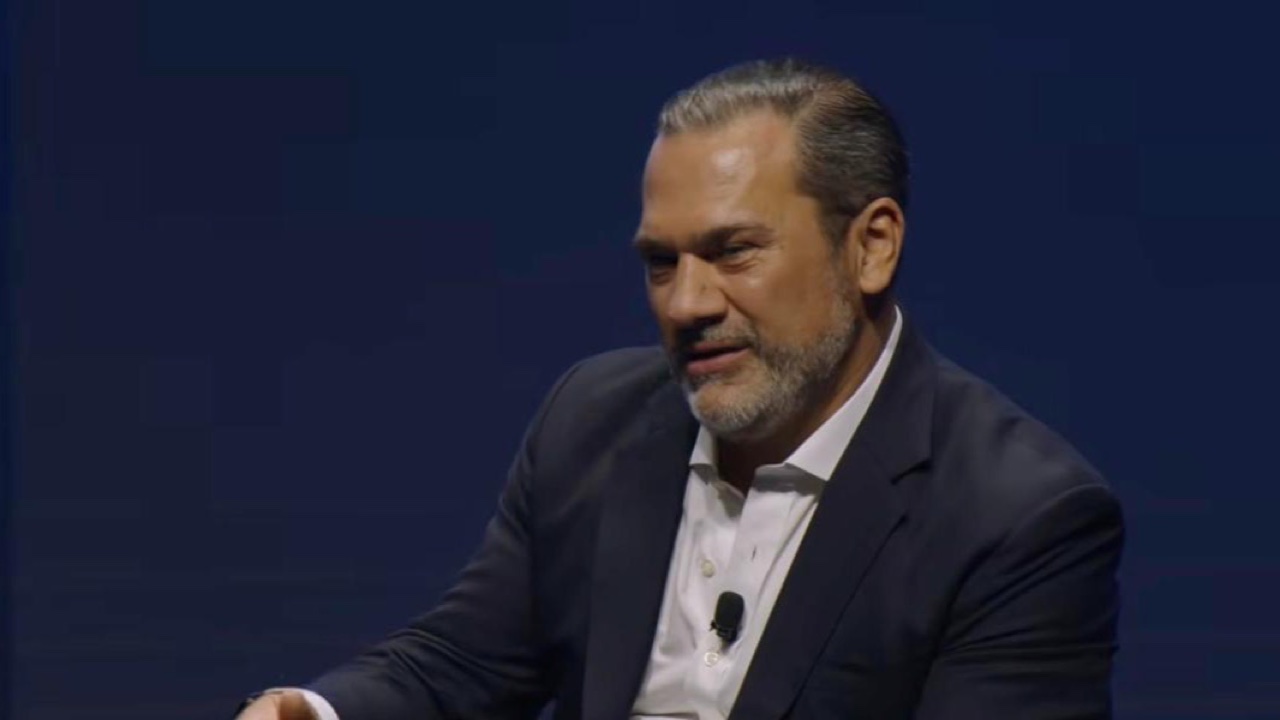
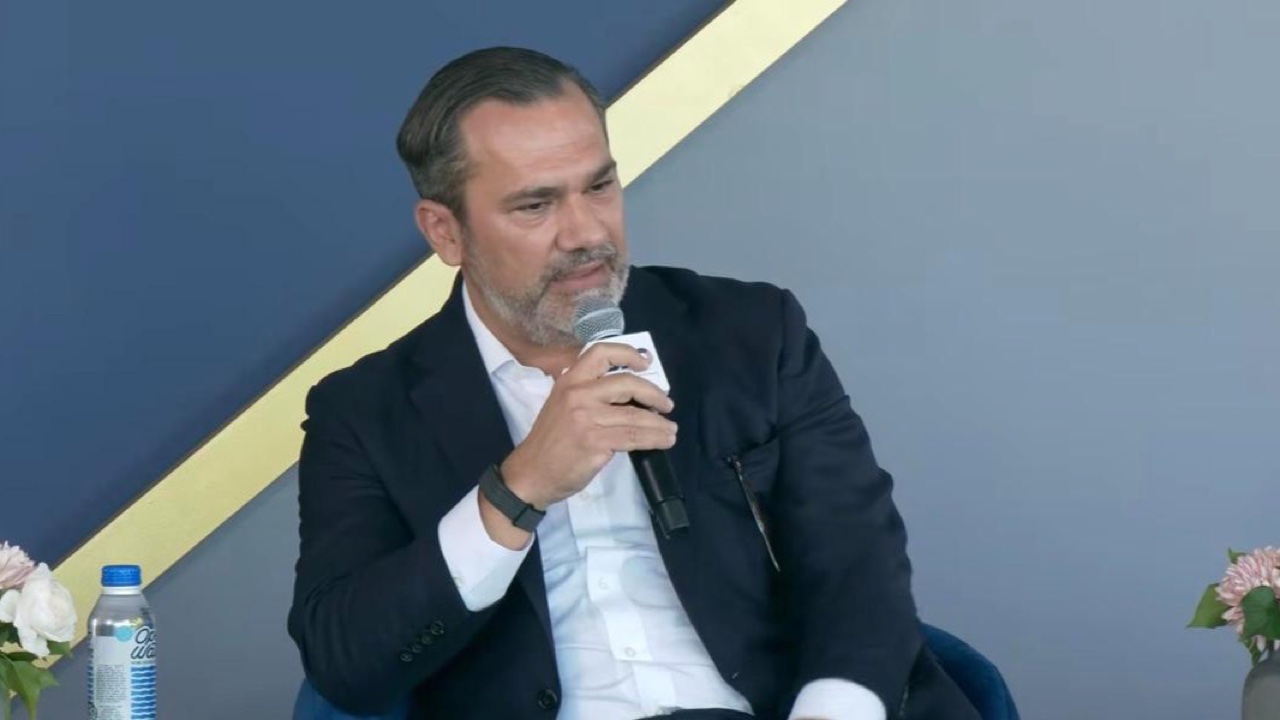
Leaders in the sports industry joined Eamon Javers, Senior Correspondent at CNBC for a conversation about the economic impact of sports, the grassroots energy at the local level, and the increasing globalization of sport.
The conversation started with a focus on ensuring sports remains accessible for people of all economic backgrounds. Isiah Thomas, Chairman and CEO of Isiah Enterprises, cautioned against a pay to play environment at the local level.
Jonathan Fascitelli, Founder, Chairman, and CEO of Seregh, pointed to his company’s focus on how their stadiums uplift the communities they are in.
“The stadium and the sporting event, the concert, creates a fanbase that comes early and stays late and that’s a real driver for everything around it,” he said. “And that can support an ecosystem where you can build housing, office, retail, and you can with that create significant economic output, significant jobs, and really have a strong impact on the wellbeing of the community going forward.”
A theme that emerged was the growing popularity of women’s sports globally. “It’s a huge economic platform. It has tons of cultural impact,” Max Siegel, CEO of USA Track & Field said. “It’s global, and we see it as a tremendous opportunity”
Panelists also spoke to the increasingly global nature of sports. Zachary Leonsis, President and Vice Chairman of Monumental Sports & Entertainment, pointed to Washington’s unique location as a global city for attracting fans from around the world.
“Our positioning here in Washington, DC is particularly unique because we’re an international center. The most powerful city in the world, this is where the globe meets, this is where this audience has convened today for this conference, it’s a unique asset that we have in Washington, DC,” he said.
“When the NBA thinks about who it wants to emulate and be like, they actually don’t look at the NFL, they look at the Premier League and the relevance of some of those European football clubs on a global basis. That’s how we want our NBA team brands to be,” Leonsis added.
The International Business of Sport
Moderated by the U.S. Chamber’s Rick Wade, the conversation looked at why sports have become such a powerful global asset. Isiah Thomas, Chairman, Chief Executive Officer, Isiah Enterprises, and Jonathan Fascitelli, Founder, Chairman and Chief Executive Officer, Seregh, agreed that sport’s value comes from its rare ability to bring people together across race, nationality, politics and class. They argued that this need for community will only grow as AI reshapes work.
Fascitelli described stadiums as the hub of year-round, mixed-use communities and called “social infrastructure” a major global investment category alongside power and AI.
“When you look at communities that have live, work and play components, when there’s a higher index on play, the live and work communities [do] better… Around stadiums, you can build more, you can do more, you can invest more… Think bigger. Leverage the asset and the team to really, truly reimagine how much you can develop around it, to create a better environment for the next century,” he said.
Thomas welcomed the flow of new capital into sports, as long as it is the “right kind” that expands access and doesn’t price out underserved communities. He also explained how lessons from basketball carried over to running a business.
“I think the flow of capital enhances what we’re doing. Not only does it enhance sport, but it also gives that underserved community a chance to continue to participate in sport, where they’re not priced out… When new capital comes in, if it’s the right kind of capital, it comes in with community thought, in terms of: How do we improve the community? How do we make it better? And, key word, how do we give access to more people who want to play and benefit from our sport?” he said.